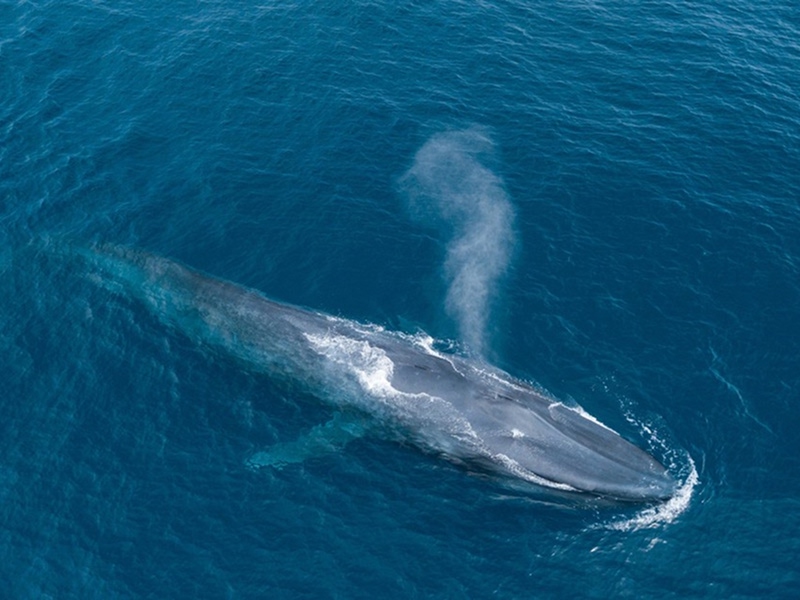
Climb high enough into Sri Lanka’s hill country and the wildlife changes almost completely. The heat and humidity of the coast give way to a cool, misty climate, more like a temperate mountain range than a tropical island. This dramatic shift has created a unique habitat for the birds of Sri Lanka, including species found nowhere else in the world.
Here’s a closer look at who they are, how to tell them apart, and why this small stretch of highland ends up with so many species you won’t see anywhere else.
Why Sri Lanka’s Highlands Are Home to Unique Birds
- Temperatures drop and cloud cover thickens, creating a cooler, wetter climate than the coast.
- Sri Lanka’s central highlands rise to over 2,000 metres. Temperature, rainfall, vegetation and resource availability change with elevation, creating distinct ecological zones. Birds adapted to these conditions may occupy relatively narrow elevational ranges.
- Tea bushes and montane forest replace the lowland jungle, changing which insects and fruit are available. Sri Lanka has a particularly high proportion of endemic bird species relative to its size. Several are strongly associated with the central highlands and montane forests, making this region especially important for the birds of Sri Lanka.
- Populations get cut off from their lowland relatives by climate rather than any physical barrier, and over time some evolve into forms found only here.
- High-elevation plants, mosses, fruits, insects and other food sources support bird species adapted specifically to these environments.
It’s part of why the birds of Sri Lanka’s hill country look and sound so different from anything on the coast, even though the two are only a few hours’ drive apart.
Birds You’ll Find Right in the Tea Estates of Sri Lanka
Three of the easiest highland endemics to spot don’t need deep forest at all. They’re perfectly at home in tea estates and garden hedgerows.
Yellow-eared bulbul
- Olive-green body with a bright yellow patch behind the eye
- Usually seen in pairs, working through shrubs
- One of the easier highland endemics to identify at a glance
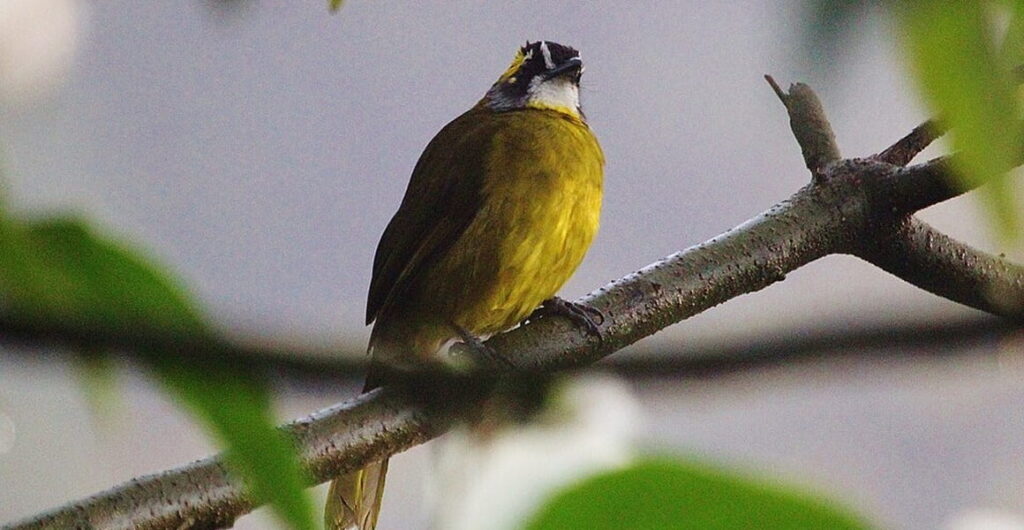
A yellow-eared bulbul perched on a branch.
Sri Lanka hill white-eye
- Small, olive-green, with a distinctive white ring around the eye
- Travels in loose little flocks
- Gives itself away with a constant, quiet chattering
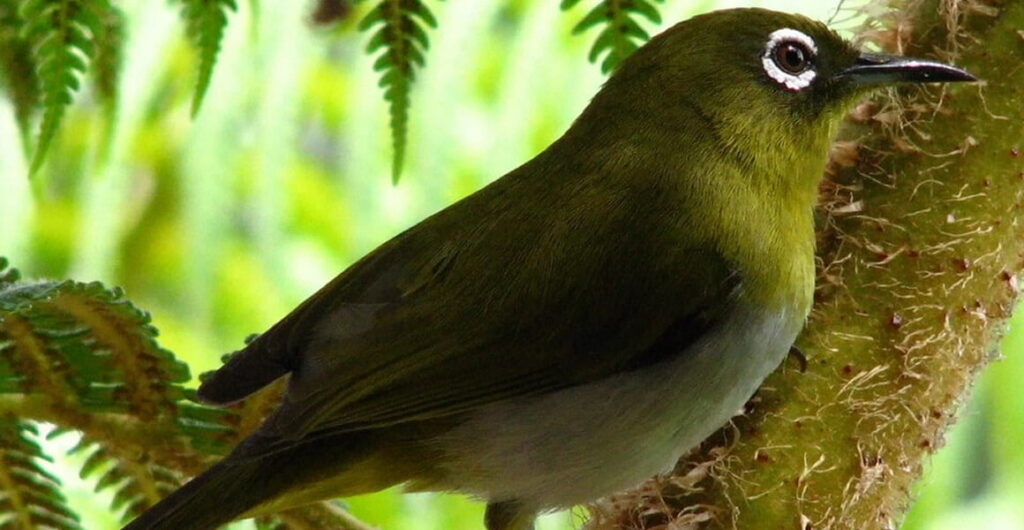
A Sri Lanka hill white-eye perched among ferns.
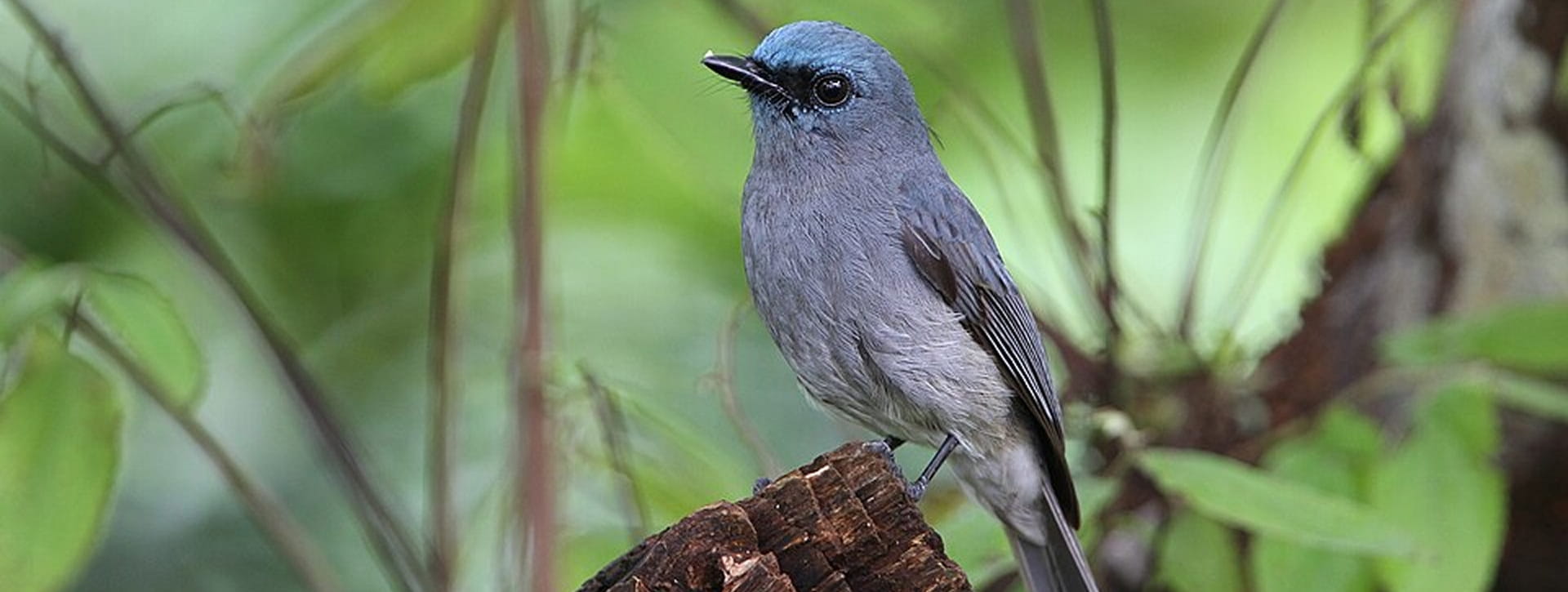
Dull-blue flycatcher
- Slate-blue overall, brighter blue on the crown
- Sits still on a low branch, then darts out for an insect and returns to nearly the same spot
- Quiet and easy to miss unless you’re watching closely
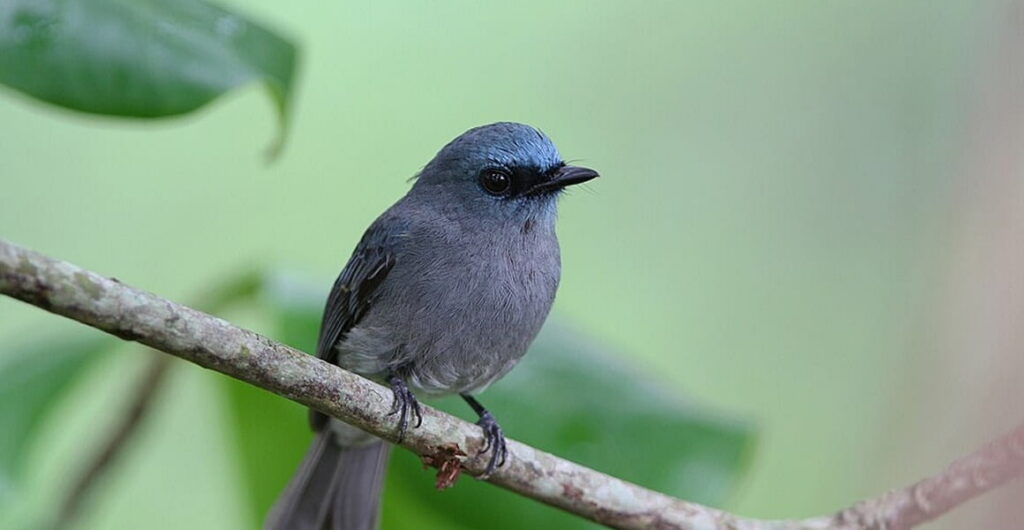
A dull-blue flycatcher perched on a branch.
Tea estates are a man-made landscape, but they suit these birds well. The insects gathering among the bushes, plus the flowering shrubs planted between them, provide steady food, and the mix of open ground and hedgerow gives smaller birds plenty of cover.
The Rarer Highland Specialists
Sri Lanka has over 30 endemic bird species, an exceptional level of diversity for an island of its size. Many of these species are closely associated with the cool, misty forests of the central hill country, where elevation and specialised habitats have shaped a distinctive bird community. Around Nuwara Eliya, these highland environments offer some of the best opportunities to encounter the rarer birds of Sri Lanka.
Sri Lanka whistling thrush
- Dark, almost black plumage with a glossy blue shoulder patch
- Favours cool forest streams and shaded undergrowth
- Heard more often than seen
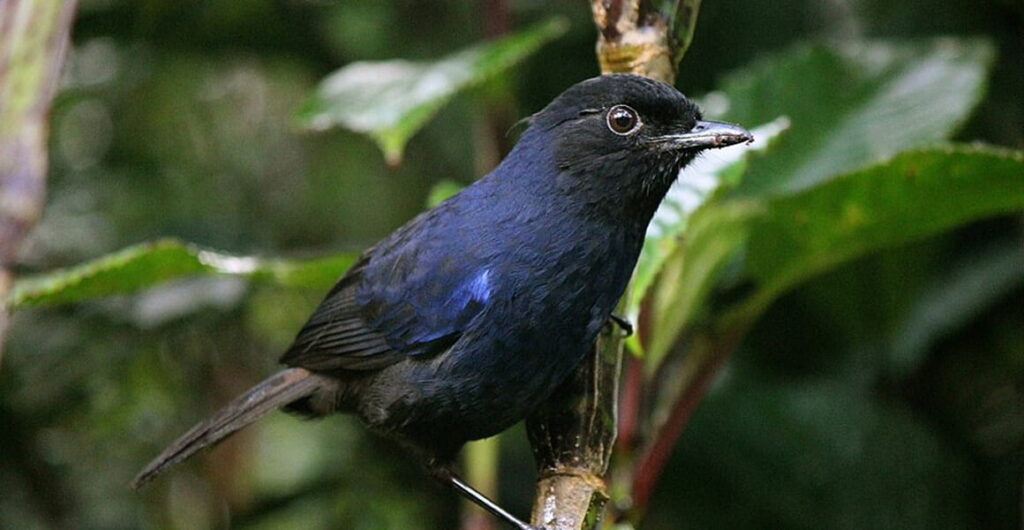
A Sri Lanka whistling thrush perched on a branch.
Sri Lanka blue magpie
- Deep blue wings and tail, with a chestnut back, head, and wing patches
- A curved red beak and red legs, hard to mistake for anything else
- Moves through the canopy in small, noisy groups
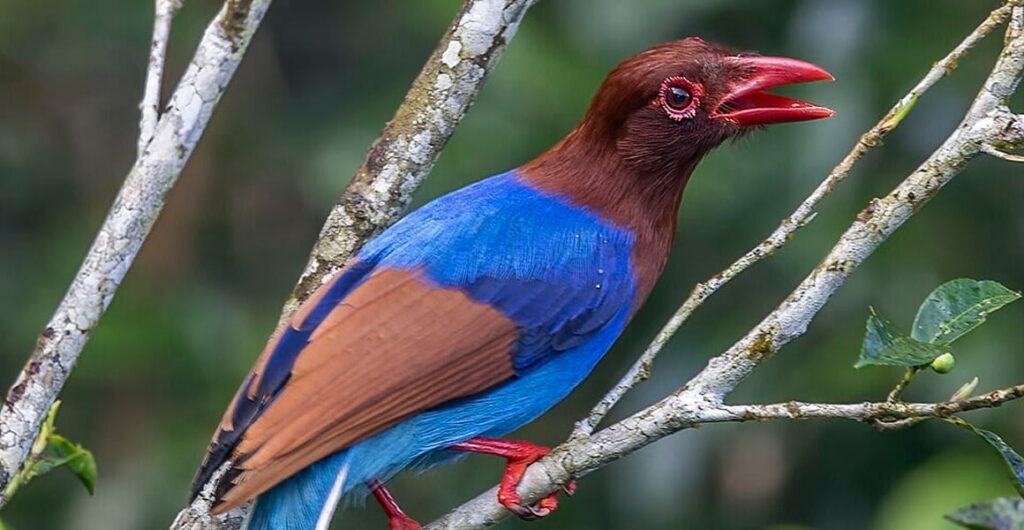
A Sri Lanka blue magpie perched on a branch.
A few others worth knowing:
- Sri Lanka wood pigeon, another cool-forest specialist of the same elevation band
- Sri Lanka bush warbler, shy and rarely seen, sticking to dense undergrowth
- Sri Lanka junglefowl, the national bird, scratching around forest edges like a wild version of the farmyard bird it’s related to
Winter Visitors Arrive by the Thousands
Between November and April, Sri Lanka’s hill country welcomes migratory visitors, adding to its already remarkable birdlife. Migrants fly in from as far as the Himalayas to escape the northern winter, among them the Kashmir flycatcher, the pied thrush, the Indian pitta, and the Indian blue robin.
Victoria Park, a modest town park in Nuwara Eliya, is one of the best-known spots to see them.. If you’re searching for villas in Pussellawa as a base for a trip built around this season, look for one close enough for an easy morning at the park and back before lunch.
Further Into the Hills
Beyond the birds, the wider highlands hold other wildlife worth knowing about, even if it’s a longer trip than a quick outing. The habitat up here is different again: open grasslands and stunted montane forest rather than tea estate, cool enough that mist tends to settle in most mornings before burning off by mid-morning. Horton Plains National Park is home to:
- Sambar deer, grazing in open grassland
- The purple-faced langur, a shaggy-coated Sri Lankan endemic primate
- A handful of endemic reptiles including the small, rare rhino-horned lizard
It’s a proper day trip rather than a casual outing, but well worth considering for those keen to explore the wider wildlife of Sri Lanka’s highlands.
A Quiet Base at The Lavender House
None of this highland wildlife needs a long journey or specialist equipment to appreciate. Much of it can be spotted quietly around the gardens, while a closer look further afield can be found on our short guided hike up to Peacock Hill, about forty-five minutes from the property. The straightforward trail offers the chance to explore the surrounding forest with a guide who can help you spot the birds and wildlife you might otherwise miss. The tea-estate setting that makes The Lavender House distinctive as a place to stay is also what makes this part of the hill country so appealing for birds in the first place: cool, quiet, and largely undisturbed.
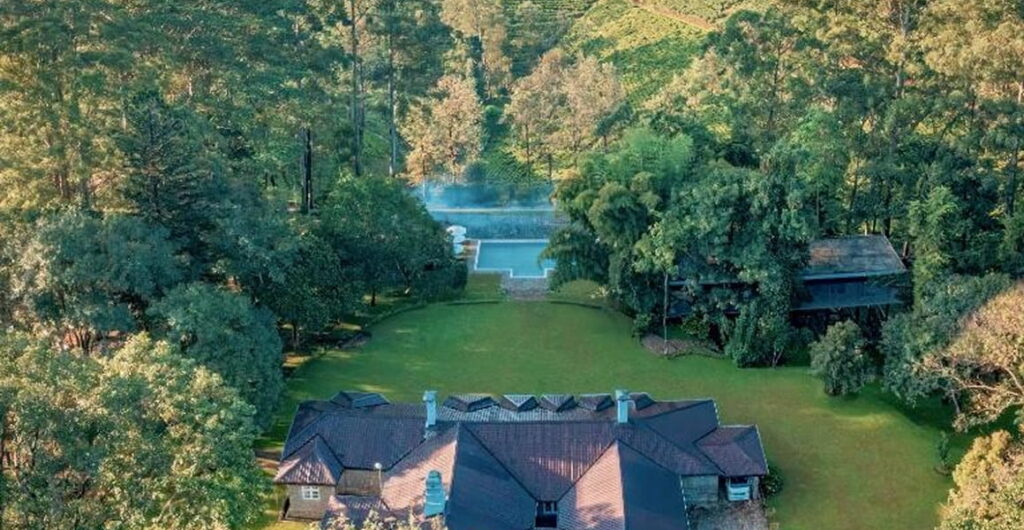
Aerial view of The Lavender House and the surrounding hills.
Browse accommodation at The Lavender House and current offers, or contact Reveal the Collection for help planning a stay built around the hill country’s wildlife. A morning spent listening for a dull-blue flycatcher or a whistling thrush is a quiet, unhurried way to get to know this part of Sri Lanka.